
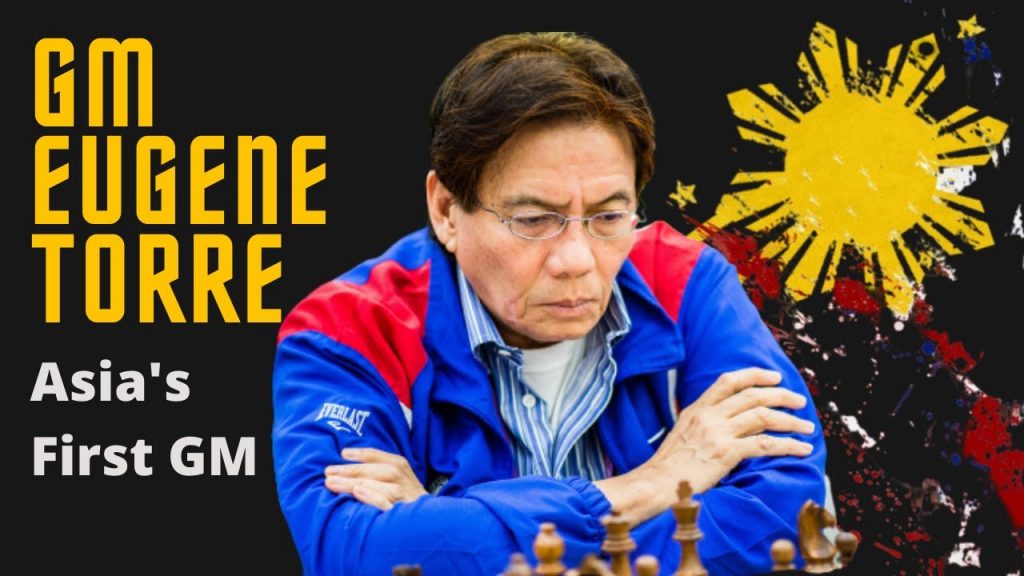
There was a time when the Philippines was the undisputed capital of Asian chess.
In the 1970s and 80s, the world didn’t just look to Manila for political drama; they looked to see who would fall next to the lethal tactical minds bred on the streets of Manila and Iloilo. When a 22-year-old Eugene Torre maneuvered his way to a silver medal at the 1974 Nice Olympiad, he didn’t just become a grandmaster—he became Asia’s first Grandmaster.
Two years later, Torre shook the world by taking down the seemingly invincible, reigning World Champion Anatoly Karpov in front of a roaring hometown crowd. It was a golden age. The archipelago was a factory of chess prodigies, a territory feared by Soviet giants, and the absolute epicenter of the game east of the Urals.
Today, those memories feel less like history and more like a myth. The board has gone cold.
Nothing encapsulates the collapse of the local scene more poignantly than the loss of Wesley So. A generational, homegrown prodigy born in Cavite, So was the rightful heir to the Philippine chess throne. Yet, starved of funding, choked by bureaucratic infighting within local sports bodies, and lacking international development pathways, he felt forced to make a heartbreaking choice. In 2014, So officially switched federations to represent the United States. He went on to become the World Fischer Random Chess Champion and a US Champion—wearing a different flag while local fans watched from afar, wondering what if.
The decline wasn’t caused by a sudden lack of local brilliance; it was a slow bleed of institutional neglect. While powerhouse nations like India, China, and Uzbekistan poured millions into data-driven chess academies, elite training engines, and grandmaster-stipend programs, the Philippine chess infrastructure largely remained frozen in time.
Today, the local scene survives on grassroots grit rather than systemic support. Local weekend tournaments thrive across barangays and community malls, funded by private sponsors or local politicians, but these frantic rapid-play events are a far cry from the grueling, long-form classical tournaments needed to earn FIDE Master and Grandmaster titles.
Without corporate backing and cohesive sports governance, our brightest young players are left to fight the algorithmic, hyper-prepared modern chess landscape with outdated tools and zero financial safety nets.
There are faint glimmers of hope. High-profile corporate tournaments, active community programs like the Manny Pacquiao 3×3 tournaments, and joint international challenges are keeping the competitive spark on life support. The passion of the Filipino chess community remains undeniable; the parks, community centers, and online servers are still packed with raw, tactical speed-demons.
But raw talent is no longer enough to win on the global stage. Until the sport sees a complete structural overhaul—one that treats chess not as a casual hobby, but as a prestigious, deeply analytical battlefield deserving of world-class funding—the Philippines will remain haunted by the ghosts of its glorious past.
The pieces are still on the board, and the talent is waiting in the wings. The only question left is whether the country’s sports leaders will finally make the right move, or let the clock run out completely.