
By Joel Pinaroc
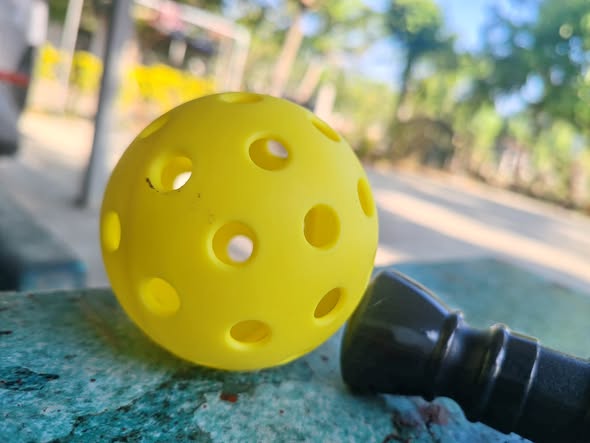
Pickleball, once a niche paddle sport, is rapidly carving out a place in the Philippines attracting players from across generations and reshaping how Filipinos engage in recreation and fitness.
Aside from an easy learning curve, the sport continues to thrive because of the strong sense of community attached to it.
A bit of history
Pickleball was invented in 1965 on Bainbridge Island in Washington state in the US as a backyard pastime for families.
What began as a simple, improvised game has since evolved into a global phenomenon, now finding fertile ground in many countries.
Introduced to the Philippines only in 2016, the sport has grown at a remarkable pace.
From a handful of enthusiasts and improvised courts, the community has expanded into a nationwide network. The Philippine Pickleball Federation (PPF), founded in 2019, has attracted hundreds of affiliated clubs and tens of thousands of players, reflecting the sport’s swift institutional growth.
It is in these clubs that pickleball’s unique community-based dynamics is often highlighted.
This surge mirrors global trends, where pickleball is among the fastest-growing sports.
In the Philippines, pickleball has taken on a distinctly local character, rooted in accessibility, community, and adaptability.
Courts have appeared in unlikely places such converted basketball spaces, badminton courts, and even mall atriums, signaling how the sport has embedded itself in everyday urban life.
Easy to learn, hard to master.
Many will say that the game’s simplicity is a major factor behind its appeal.
Combining elements of tennis, badminton, and table tennis, pickleball is easy to learn yet offers enough complexity to keep players engaged. This balance has made it particularly attractive to beginners while still drawing competitive athletes.
Equally important is its social dimension. Unlike more physically demanding sports, pickleball encourages interaction, because of its focus in doubles and fostering a strong sense of community.
What began as small “street pickleball” gatherings has evolved into organized clubs and national tournaments, helping build a vibrant grassroots culture.
For the young and old
The sport’s demographic reach is also notable. Teenagers, working professionals, and retirees now share the same courts, a rarity in competitive sports. Health experts note that pickleball offers both physical and mental benefits, contributing to its growing popularity among Filipinos seeking active lifestyles.
For the more competitive
Meanwhile, the PPF has begun rolling out national ranking systems and player registries, signaling a shift toward more structured development.
From improvised courts to organized leagues, pickleball’s rise in the Philippines reflects more than a passing trend.
Pickleball seem to represents a broader shift toward inclusive, community-driven sports where accessibility matters as much as athleticism.
In fact, the sport emphasizes patience over power.
As pickleball continues to grow, it is not just changing the way Filipinos play, but also how they connect, compete, and stay active.